

CFU Count: NLT 2 x 10⁸ CFU/gm
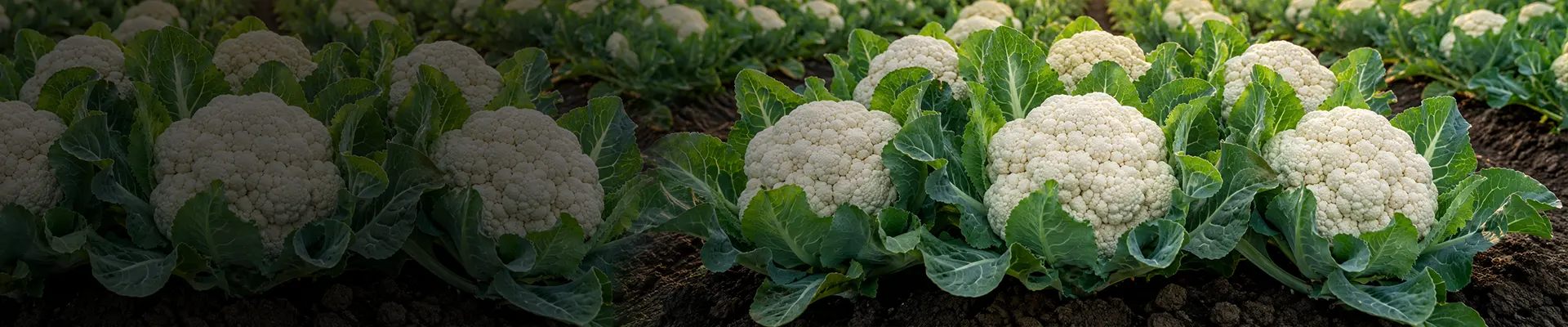
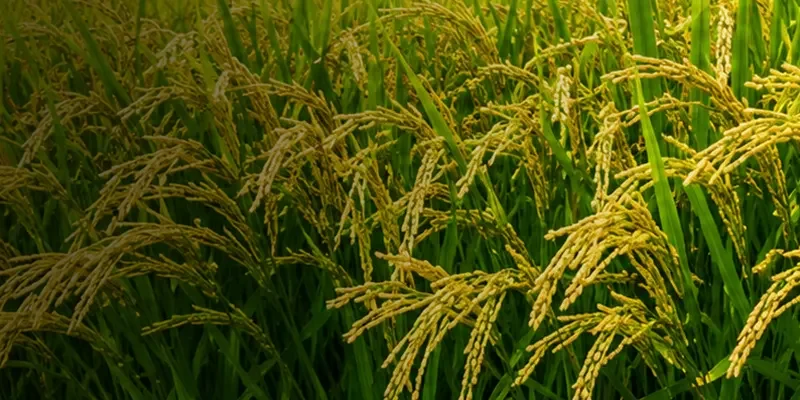
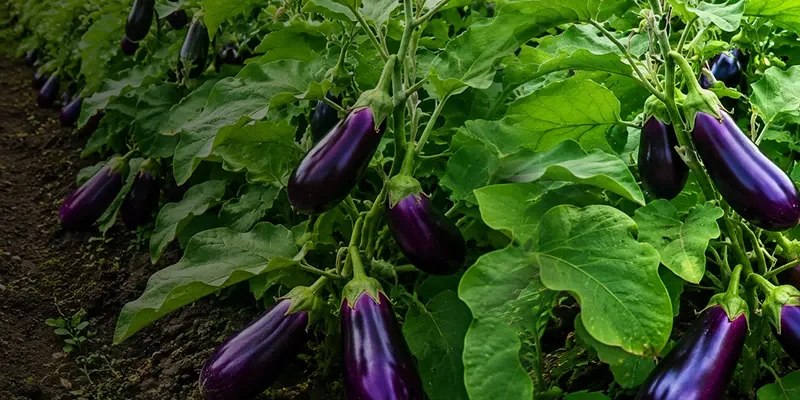
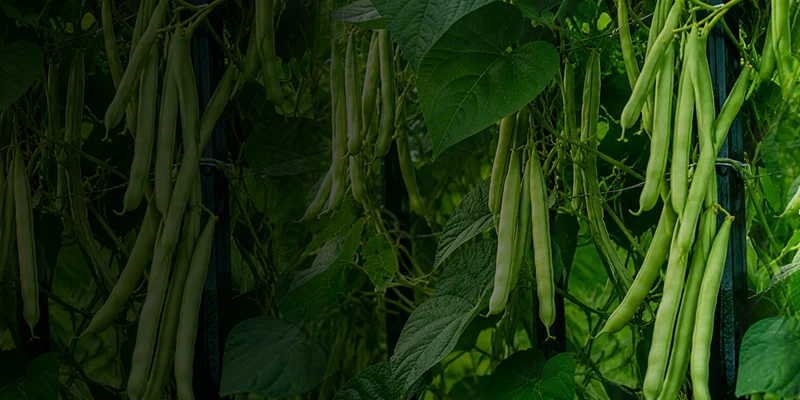
Paecilomyces lilacinus is a naturally occurring soil fungus widely used as a biological nematicide. It parasitizes and destroys the eggs, juveniles, and females of plant-parasitic nematodes such as Meloidogyne (root-knot nematodes), Heterodera (cyst nematodes), and Radopholus (burrowing nematodes). It is commonly applied to a variety of crops including vegetables, fruits, and plantation crops.
The fungal spores colonize the rhizosphere and come in contact with nematode eggs or juveniles. The fungus penetrates the egg shell or cuticle by producing enzymes such as chitinases and proteases. Once inside, it grows rapidly and consumes the internal contents, preventing egg hatching or killing juveniles. In addition, Paecilomyces lilacinus competes for space and nutrients in the root zone, reducing nematode survival and reproduction.
























Reviews
There are no reviews yet.